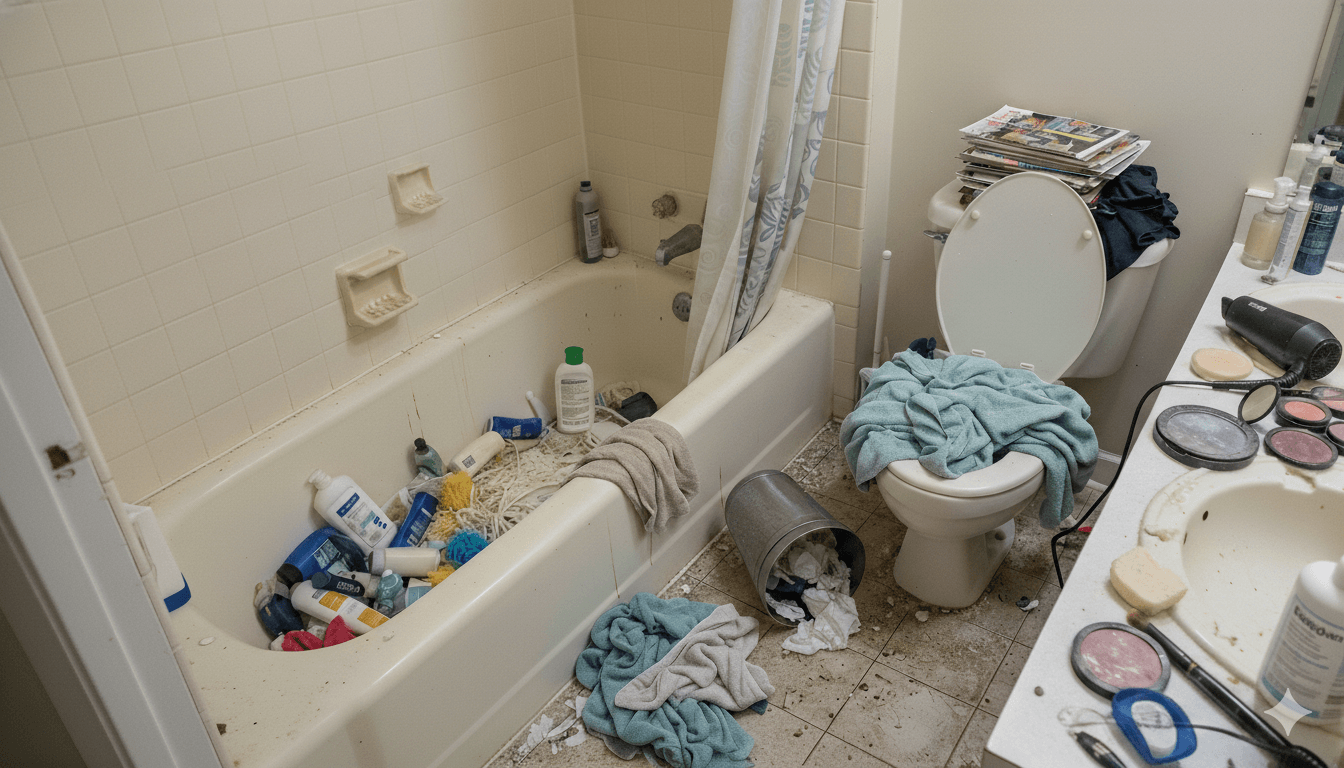

When you step into your bathroom each morning, your bathtub should feel like a clean, welcoming space. But over time, even the most well-maintained tubs start showing their age. The question many Pacific Northwest homeowners ask is: when does normal wear and tear cross the line into needing professional refinishing?
Understanding the warning signs can save you from costly surprises down the road. A bathtub that needs refinishing won’t just look unsightly – it can harbor bacteria, waste water, and even pose safety risks. The good news is that most surface damage can be restored through professional refinishing, giving your tub a fresh start without the expense and hassle of full replacement.
Let’s walk through the key indicators that tell you it’s time to call in the professionals.
Surface Stains That Won’t Come Clean
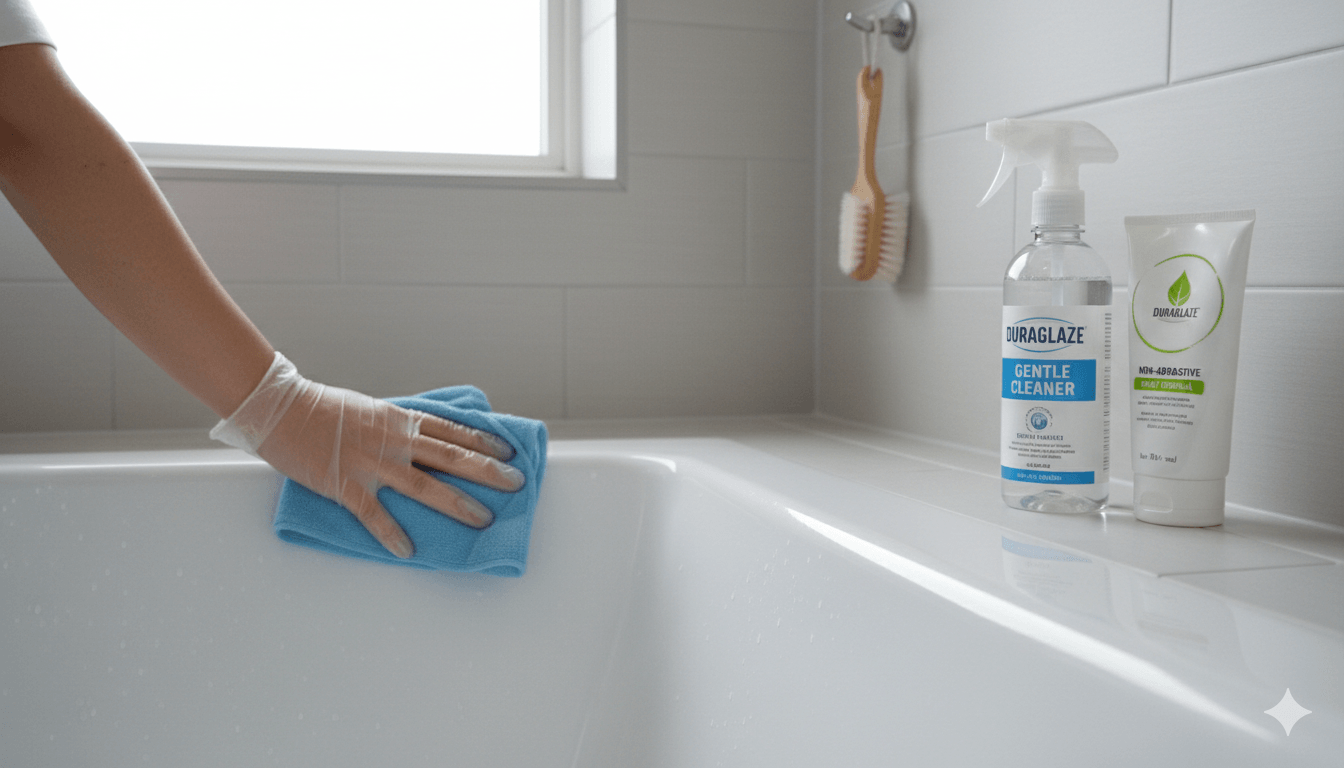
The most obvious sign your bathtub needs attention is persistent staining that regular cleaning can’t tackle. You’ve probably tried every cleaner in the store, scrubbed until your arms hurt, and still see those stubborn discolored areas.
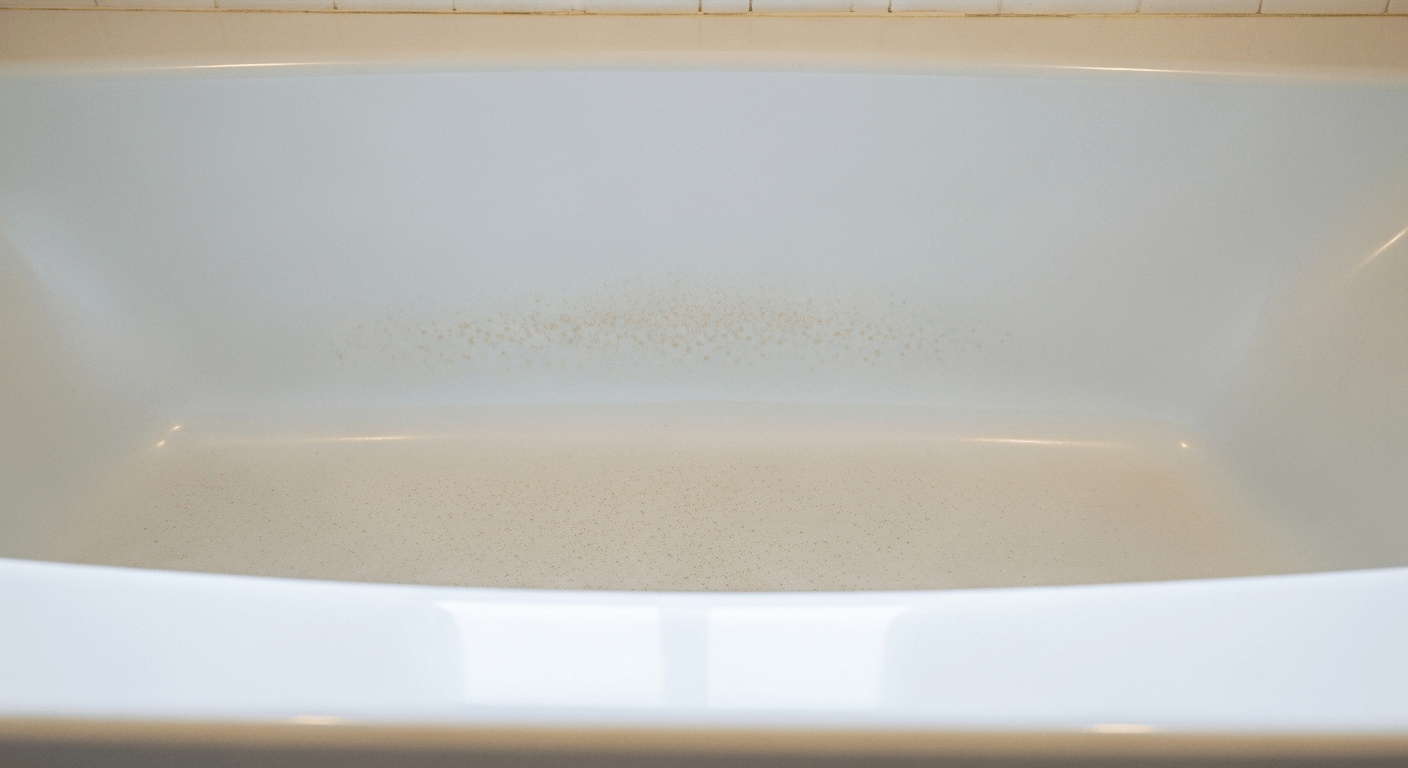
Common stains that indicate refinishing needs include rust-colored rings around the drain, yellow or brown patches along the waterline, and dark spots that seem to grow despite your cleaning efforts. These aren’t just cosmetic issues – they often signal that your tub’s original finish has worn thin, allowing moisture and minerals to penetrate the surface.
Hard water, which is common throughout the Tri-Cities area, accelerates this staining process. The mineral deposits build up over time, creating rough spots where dirt and soap scum can grab hold. Once this cycle starts, regular cleaning becomes increasingly ineffective.
Chips, Cracks, and Surface Damage
Physical damage to your tub’s surface is another clear signal that refinishing is needed. Small chips might seem harmless, but they’re actually entry points for water damage. When moisture gets underneath your tub’s finish, it can cause larger cracks to form and create conditions where mold and mildew thrive.
Look closely at high-wear areas like where you typically sit or stand. These spots often show the first signs of wear because they experience the most friction and impact. You might notice the surface feels rougher than it used to, or see small divots where heavy bottles or razors have been dropped.
Hairline Cracks: Small Problems, Big Consequences
Hairline cracks are particularly tricky because they’re easy to dismiss as minor cosmetic flaws. However, these tiny fissures can quickly become major problems. They allow water to seep into the underlying material, potentially causing structural damage that goes far beyond surface-level issues.
If you run your finger over suspected crack areas and feel a ridge or indentation, that’s a clear sign the damage has progressed beyond what cleaning can fix.
Rough or Gritty Texture
A bathtub surface should feel smooth to the touch. When you notice areas that feel rough, gritty, or sandpaper-like, the original finish has likely worn away or deteriorated. This texture change isn’t just unpleasant – it makes your tub much harder to keep clean.
Rough surfaces trap soap residue, dead skin cells, and other debris that would normally rinse away easily. This creates an environment where bacteria can multiply, making your tub less hygienic despite regular cleaning efforts.
The roughness typically starts in high-contact areas and gradually spreads. You might first notice it where you rest your back or where children typically play with bath toys.
Persistent Odors and Hygiene Concerns
When your bathtub develops a musty smell that lingers even after thorough cleaning, it’s often because moisture has penetrated damaged areas of the finish. This trapped moisture creates ideal conditions for bacterial growth and mildew development.
These odors are particularly concerning because they indicate that cleaning the visible surface isn’t addressing the underlying problem. The contamination has worked its way into areas that regular scrubbing can’t reach.
If you notice that your bathroom continues to smell stale or musty despite good ventilation and regular cleaning, examine your tub carefully for the damage signs we’ve discussed.
Safety Issues: Slippery Surfaces and Sharp Edges
An aging bathtub finish can create serious safety hazards. As the original surface wears away, some areas might become unexpectedly slippery while others develop rough patches with sharp edges. This inconsistent texture makes it difficult to predict how your footing will feel, increasing the risk of slips and falls.
Chips and cracks don’t just look bad – they can actually cut skin if you brush against them. This is particularly dangerous for children and elderly family members who might have less steady footing in the tub.
Discoloration and Fading
Even without obvious stains, your tub might show signs of general discoloration or fading. Original white or colored finishes can yellow over time, especially when exposed to harsh cleaning chemicals or UV light from bathroom windows.
This type of damage is often gradual, making it easy to overlook until you see an old photo of your bathroom or compare your tub to a newly installed one. The discoloration typically isn’t just on the surface – it indicates that the finish material itself has changed, which means cleaning won’t restore the original appearance.
When DIY Solutions Stop Working
Perhaps the clearest indicator that your tub needs professional refinishing is when your usual maintenance routine stops being effective. If you find yourself cleaning more frequently but getting less satisfactory results, the problem likely goes deeper than surface dirt.
You might notice that areas you just cleaned look dirty again within days, or that certain spots never seem to get completely clean no matter what products you use. This frustrating cycle is a strong signal that the tub’s surface can no longer be properly maintained through regular cleaning alone.
Making the Decision
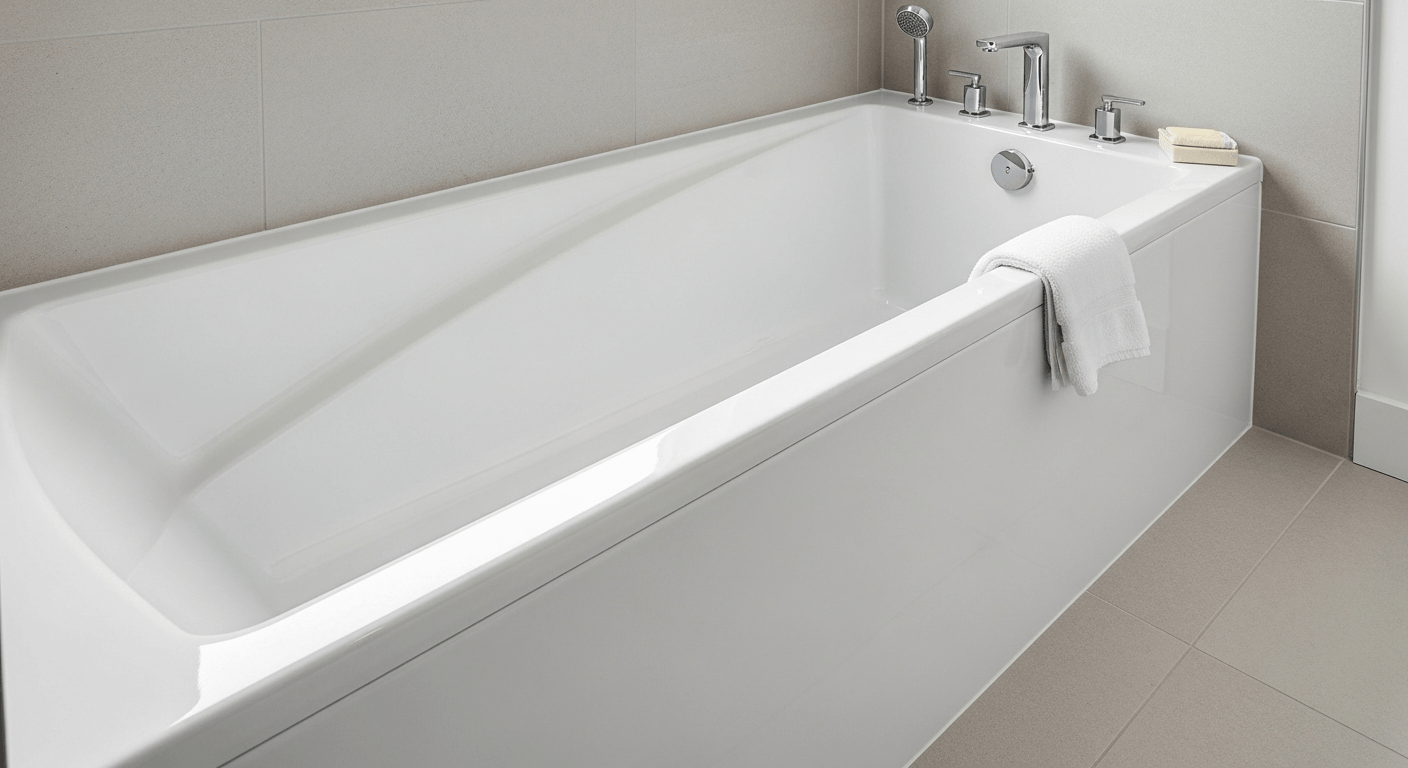
Recognizing these signs early can save you money and frustration. Professional refinishing can address all of these issues, restoring both the appearance and functionality of your bathtub. The process typically costs a fraction of full replacement while delivering results that can last for many years with proper care.
If you’re seeing multiple warning signs – especially safety concerns like rough edges or persistent hygiene issues – it’s time to consult with refinishing professionals. They can assess the extent of the damage and recommend the best approach to get your bathroom back to the comfortable, clean space you deserve.
Contact a Refinishing Expert