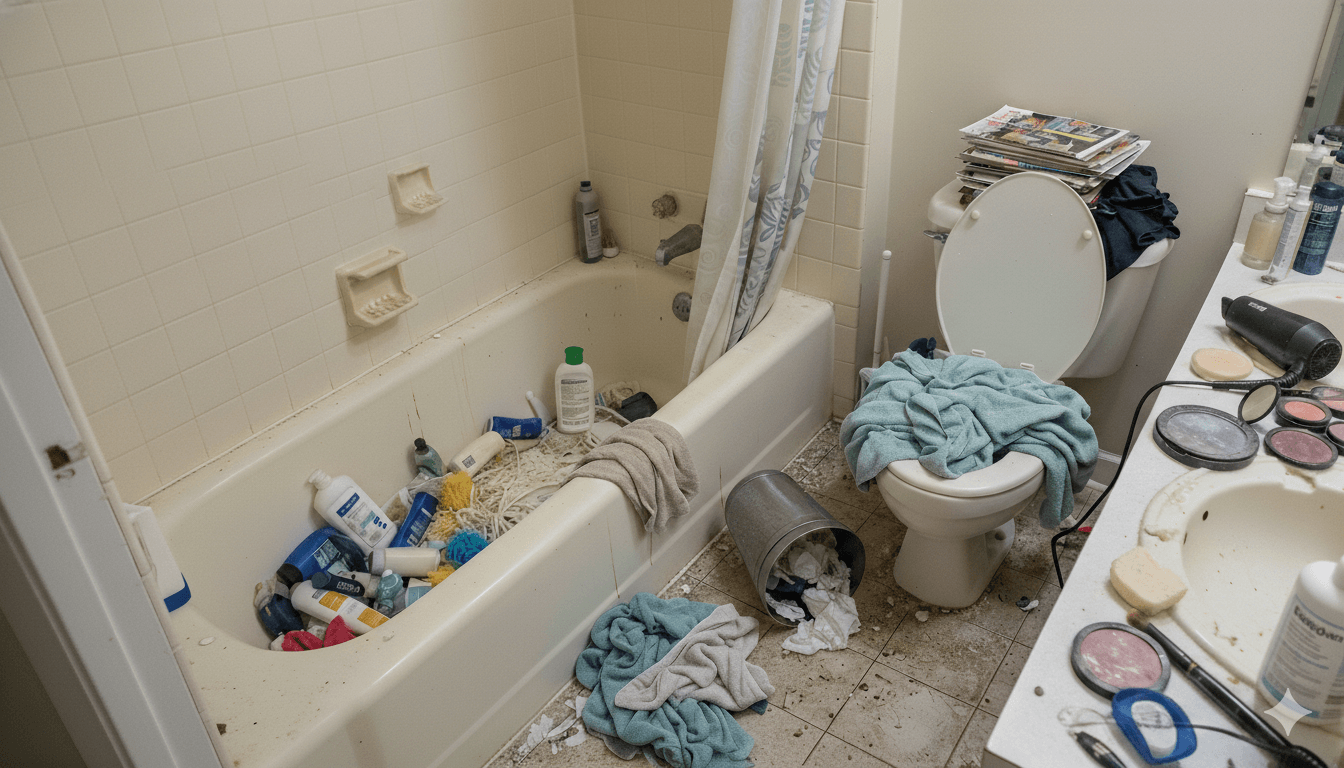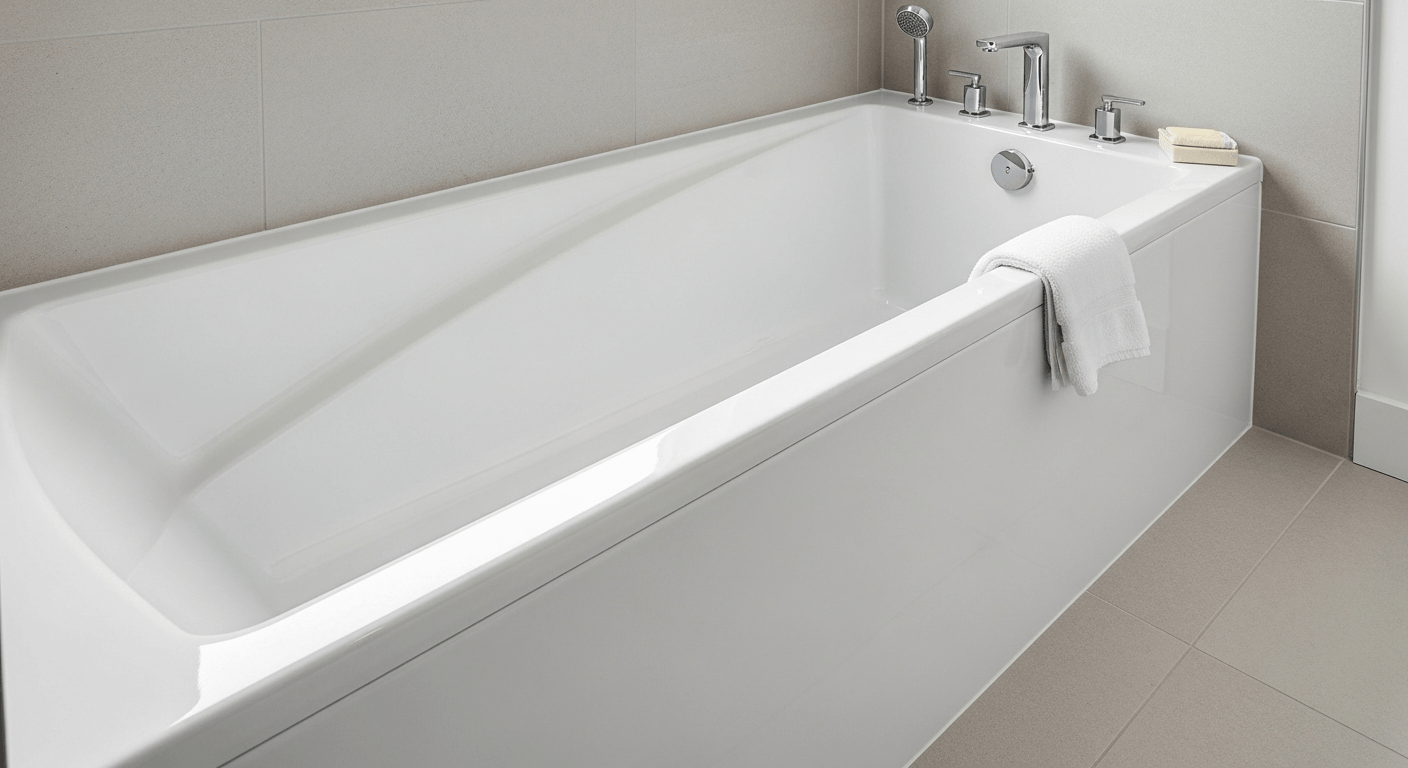

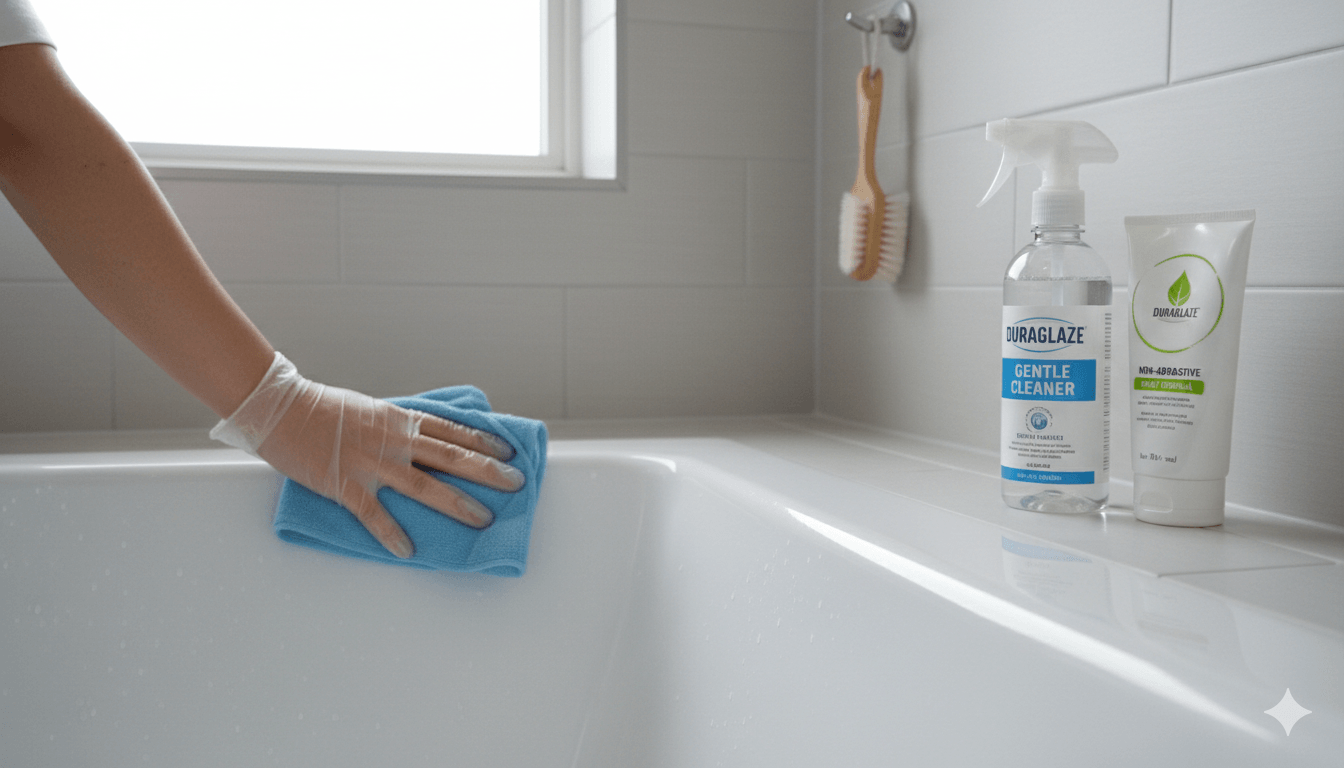
Walking into your bathroom and seeing that beautifully reglazed bathtub sparkling like new brings such satisfaction. The fresh, glossy surface transforms the entire space, making it feel modern and clean. But here’s the thing – that gorgeous finish requires specific care to maintain its beauty and extend its lifespan.
Many homeowners make the mistake of treating their newly refinished bathtub like the old porcelain or fiberglass surface it once was. While the new surface is very durable, this approach can damage the new coating and shorten the life of your investment. Understanding the proper cleaning methods for your reglazed surface isn’t complicated, but it does require a shift in your usual cleaning routine.
The good news? With the right approach, maintaining your refinished bathtub is actually easier than you might think. Let’s walk through everything you need to know to keep that surface looking pristine for years to come.
Understanding Your Refinished Surface
Before diving into cleaning techniques, it’s helpful to understand what you’re working with. When professionals refinish your bathtub, they apply multiple coats of specialized coating that bonds to the original surface. This new finish is durable but initially more delicate than the original material.
The coating needs time to fully cure – typically 24 to 48 hours before light use, and up to three weeks to reach maximum hardness. During this curing period, extra gentle care is essential. Even after full curing, the refinished surface responds best to gentle cleaning methods.
Think of your reglazed bathtub like a high-quality painted surface. You wouldn’t scrub fresh paint with steel wool, and the same principle applies here. The coating can handle regular use beautifully, but it needs proper care to maintain its appearance and integrity.
The Golden Rules of Cleaning
What You Should Always Do
Start with the gentlest approach first. For daily cleaning, warm water and a soft cloth often do the job perfectly. This simple routine prevents buildup that requires more intensive cleaning later.
Use pH-neutral cleaners. Look for products specifically labeled as safe for refinished surfaces, or stick with mild dish soap. These cleaners effectively remove dirt and soap scum without attacking the coating.
Clean regularly. A quick wipe-down after each use prevents soap scum and mineral deposits from building up. This proactive approach makes deep cleaning unnecessary and keeps your bathtub looking its best.
Dry the surface when possible. While not always practical, drying your bathtub after use prevents water spots and mineral buildup, especially if you have hard water.
Essential Cleaning Products That Work
Several cleaning products work wonderfully on refinished surfaces. Scrubbing Bubbles® gently removes buildup without scratching. Simple dish soap like Dawn mixed with warm water creates an effective, safe cleaning solution.
For glass doors and fixtures, standard glass cleaners work fine – just avoid overspray onto the refinished surface. When you do need something stronger for tough buildup on the doors and fixtures, products like Soft Scrub or Tilex can work, but test them in an inconspicuous area first and rinse thoroughly.
What to Avoid at All Costs
Abrasive Materials and Tools
Never use scouring pads, steel wool, or abrasive sponges. These materials will scratch and dull your refinished surface faster than anything else. Even “light” abrasive pads can cause permanent damage.
Skip the powder cleansers. Products like Comet, Ajax, or Barkeeper’s Friend contain abrasive particles that scratch the coating. While these might work great on porcelain, they’re enemies of refinished surfaces.
Avoid stiff brushes. That scrub brush you use for grout can damage your reglazed surface. Stick with soft cloths, sponges, or soft-bristled brushes only.
Chemical Products That Damage Refinished Surfaces
Bleach and ammonia-based cleaners can discolor or damage the coating over time. While small amounts occasionally might not cause immediate visible damage, regular use definitely will.
Acid-based cleaners like CLR (Calcium, Lime & Rust remover) are too harsh for most refinished surfaces. The acids can etch the coating, creating dull spots or cloudiness.
Acetone and paint thinners will actually dissolve the refinishing coating. Keep nail polish remover and similar solvents away from your bathtub entirely.
Daily and Weekly Maintenance Routines
Your Daily Routine
After each use, give your bathtub a quick rinse with warm water. If you have a few extra seconds, wipe down the surfaces with a soft cloth. This simple habit prevents most cleaning challenges before they start.
Pay attention to areas where soap and shampoo tend to collect – typically around the drain and in corners. A quick wipe in these spots prevents the buildup that leads to staining or discoloration.
Weekly Deep Cleaning
Once a week, give your bathtub a more thorough cleaning. Start by rinsing the entire surface with warm water. Apply your gentle cleaner – either a specialized refinished surface cleaner or mild dish soap mixed with water.
Let the cleaner sit for a few minutes to break down any buildup, then gently wipe with a soft cloth or sponge. Work in circular motions rather than scrubbing back and forth. Rinse thoroughly with warm water and dry if possible.
For homeowners in areas with hard water, like parts of the Tri-Cities region, this weekly routine becomes even more important to prevent mineral buildup.
Dealing with Stubborn Stains and Buildup
Sometimes, despite your best efforts, you’ll encounter stubborn stains or buildup. The key is patience and persistence with gentle methods rather than reaching for harsh chemicals.
The Baking Soda Method
For tough stains, create a paste with baking soda and water. Apply it to the stained area and let it sit for 15-20 minutes. Gently wipe away with a soft cloth, then rinse thoroughly. This method works particularly well on soap scum and light mineral deposits.
The Vinegar Solution
For mineral buildup, a 50/50 solution of white vinegar and water can help. Spray it on, let it sit for a few minutes, then wipe gently and rinse well. However, use this sparingly – frequent vinegar use can eventually damage some refinishing coatings.
When to Call for Help
If you encounter stains that won’t respond to gentle cleaning methods, resist the urge to use harsher chemicals or abrasive tools. Instead, contact your refinishing professional for advice. They may recommend specific products or techniques, or in some cases, a light touch-up might be needed.
Special Considerations for Different Types of Stains
Rust Stains
Rust stains often come from metal objects left in the tub or iron in your water supply. Remove metal objects immediately and wipe the area dry. For existing rust stains, try the baking soda paste method first. Avoid rust removal products unless specifically approved for refinished surfaces.
Hard Water Spots
These cloudy, white deposits are common in many areas. Regular cleaning prevents most issues, but for existing spots, try the vinegar solution method. In areas with particularly hard water, consider installing a water softener to prevent future problems.
Soap Scum
This filmy buildup responds well to regular cleaning with dish soap. For existing buildup, let your cleaning solution sit longer before wiping. The key is persistence with gentle methods rather than aggressive scrubbing.
Protecting Your Investment Long-Term
Your reglazed bathtub represents a significant investment in your home’s value and your daily comfort. Proper cleaning habits protect this investment and ensure you enjoy the beautiful results for many years.
Consider keeping a dedicated set of soft cleaning cloths just for your bathtub. This prevents accidentally using a cloth that might have picked up abrasive particles from other cleaning tasks. Store your approved cleaning products in the bathroom for convenient regular use.
Moving Forward with Confidence
Maintaining your reglazed bathtub doesn’t have to be complicated or stressful. With these guidelines, you can keep your refinished surface looking beautiful while avoiding the common mistakes that lead to damage. Remember – when in doubt, gentler is always better.
The key to long-lasting results lies in developing good daily habits and sticking with proven, safe cleaning methods. Your patience and proper care will reward you with a bathtub that continues to look fantastic and adds value to your home for years to come.