
Discovering cracks in your bathtub can feel like finding a small leak in a dam – you know it’s only going to get worse if you don’t address it quickly. These hairline fractures might seem insignificant at first, but they’re actually your bathtub’s way of sending an urgent message that needs immediate attention.
Whether you’re dealing with a vintage cast iron tub in your Yakima home or a modern fiberglass unit that’s seen better days, cracks don’t discriminate. They appear when the material can no longer handle the stress from daily use, temperature changes, or simply the passage of time. The good news? Catching and addressing these cracks early can save you hundreds of dollars and extend your bathtub’s life significantly.
Understanding what causes these cracks and knowing how to respond appropriately can mean the difference between a simple repair and a complete bathroom renovation. Let’s explore everything you need to know about identifying, addressing, and preventing bathtub cracks before they turn into major headaches.
What Causes Bathtub Cracks in the First Place?
Bathtubs face a challenging environment every day. They endure rapid temperature changes when hot water meets cold porcelain, support hundreds of pounds of water weight, and flex slightly with each use. Over time, this constant stress takes its toll on even the most durable materials.
Temperature shock represents one of the most common culprits. When you fill your tub with hot water, the material expands. As it cools, everything contracts. This cycle repeats thousands of times over the years, gradually weakening the structure. Older homes often experience this more severely due to less insulation and greater temperature fluctuations.
Poor installation or inadequate support beneath the tub creates another major risk factor. If your bathtub doesn’t have proper backing or if the floor joists weren’t designed to handle the weight, the tub will flex more than intended. This excessive movement puts stress on the material, leading to cracks along stress points.
Age and wear simply catch up with every bathtub eventually. The original finish breaks down, underlying materials become brittle, and small imperfections develop into larger problems. Even high-quality tubs from decades past weren’t designed with today’s understanding of material science.
Identifying Different Types of Cracks
Not all cracks pose the same level of threat to your bathtub’s integrity. Learning to distinguish between different types helps you prioritize your response and choose the most appropriate repair method.
Hairline surface cracks appear as thin lines in the finish or gel coat. These typically don’t penetrate deeply but can allow water to seep underneath the surface, potentially causing more serious damage over time. You’ll often find these around drain areas or along the bottom of the tub where stress concentrates.
Stress cracks run deeper and often follow predictable patterns. They frequently appear near fixtures, around the overflow drain, or along the edges where the tub meets the wall. These cracks indicate structural stress and require more immediate attention than surface-level damage.
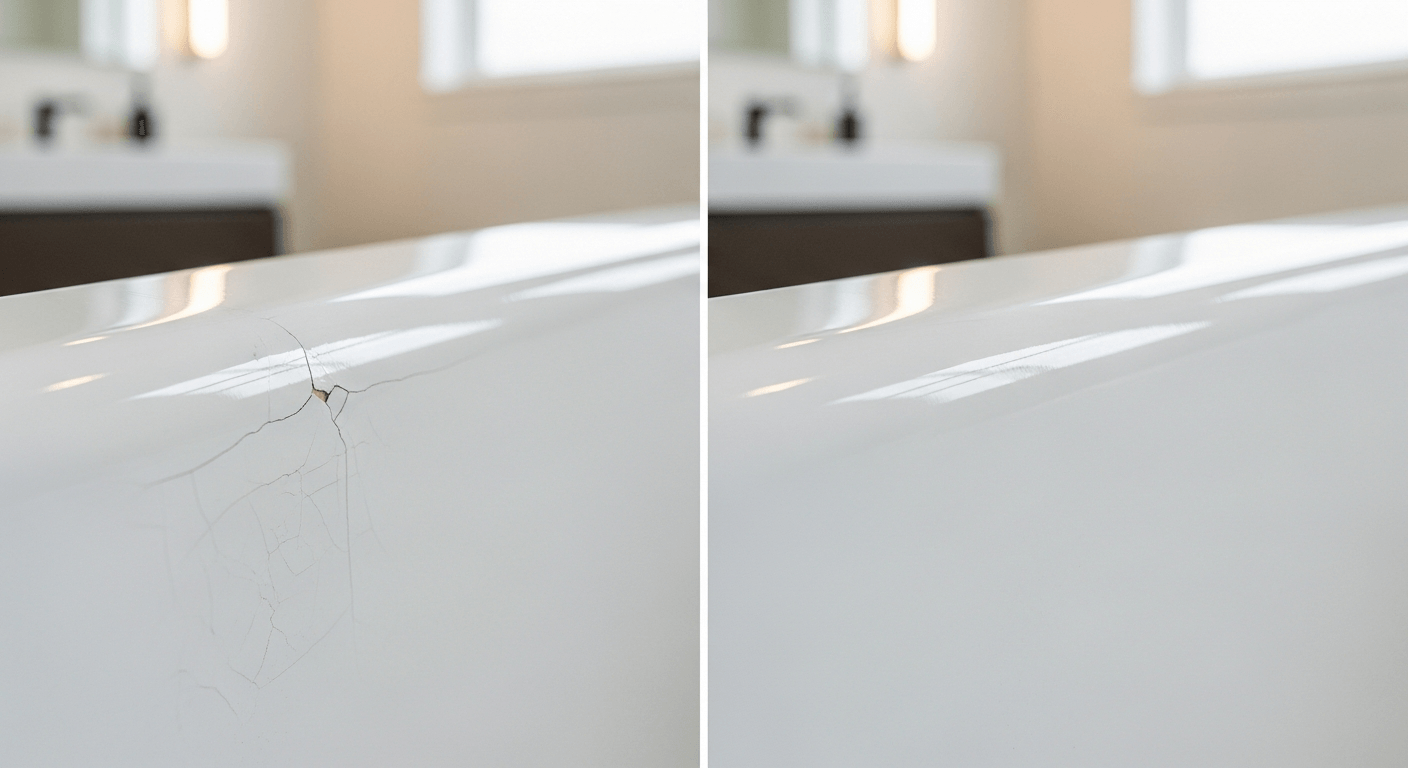
Impact cracks result from dropped objects or sudden force. They often create spider-web patterns radiating from a central point. While they might start small, impact cracks tend to grow quickly because they’ve already compromised the material’s structural integrity.
Flex cracks develop when the tub moves more than it should during use. You’ll typically see these along the bottom or sides where the tub bears weight. If you notice your bathtub feeling less stable than it used to, flex cracks might already be forming even if they’re not yet visible.
Immediate Steps for Small Crack Repair
When you discover small cracks, acting quickly prevents them from expanding into major problems. The repair approach depends on your tub’s material and the crack’s severity, but some general principles apply to most situations.
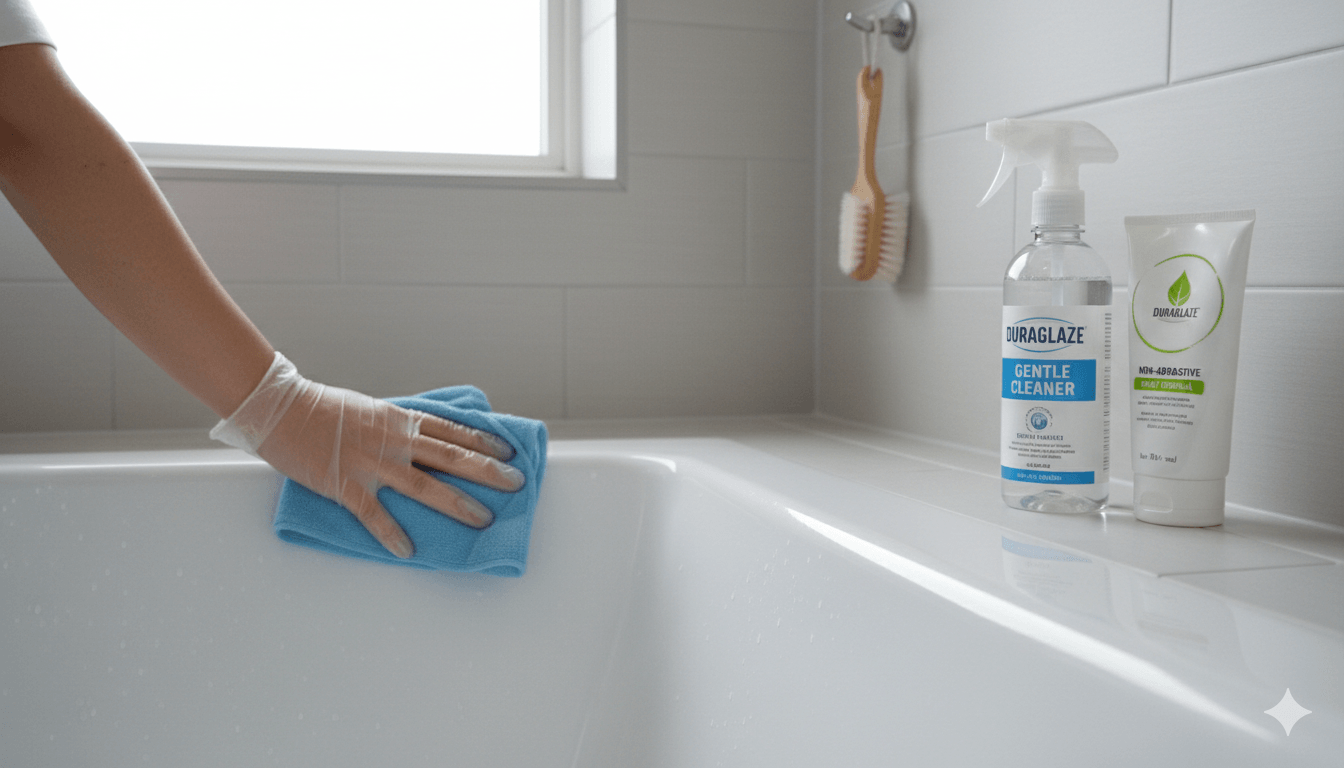
Clean the area thoroughly before attempting any repair. Remove soap scum, mineral deposits, and any loose material around the crack. Use a degreasing cleaner to ensure proper adhesion of whatever repair material you choose. Allow the area to dry completely before proceeding.
Assess the crack’s depth by running your fingernail across it. If your nail catches, the crack goes beyond the surface and needs more substantial repair. Surface-level cracks might respond well to specialized bathtub repair kits available at hardware stores.
Apply repair compound carefully following the manufacturer’s instructions exactly. Most repair kits include compounds that cure to match common tub colors. Work the material into the crack using a putty knife or your finger, then smooth the surface to match the surrounding area’s texture.
Allow proper curing time before using the tub again. Rushing this step undermines even the best repair efforts. Most compounds need 24-48 hours to achieve full strength, and using the tub too early can cause the repair to fail.
When to Call Professionals
While small surface cracks might be manageable DIY projects, many crack repairs require professional expertise to ensure lasting results. Recognizing when to call in experts protects your investment and prevents small problems from becoming expensive disasters.
Multiple cracks or cracks that keep reappearing after repair indicate underlying structural issues that need professional assessment. A qualified refinishing specialist can evaluate whether the tub’s support system needs reinforcement or if other factors contribute to the ongoing problem.
Cracks near plumbing fixtures pose special challenges because they often indicate movement or settling that affects the entire bathroom’s infrastructure. Professional refinishers in the Tri-Cities area frequently encounter these situations and can coordinate with plumbers when necessary to address root causes.
Deep structural cracks that penetrate through the tub’s material require specialized techniques and materials. Professional refinishing teams have access to industrial-grade compounds and application methods that create stronger, more durable repairs than typical consumer products.
Widespread crazing or networks of fine cracks across large areas typically signal that the bathtub’s surface has reached the end of its useful life. In these cases, professional refinishing offers a cost-effective alternative to complete replacement.
Prevention Strategies That Actually Work
The best crack repair is the one you never have to make. Implementing practical prevention strategies significantly extends your bathtub’s life and maintains its appearance with minimal effort.
Avoid extreme temperature changes by running warm water before adding hot water, especially during winter months. This gradual temperature increase reduces thermal shock that contributes to crack formation. Similarly, don’t pour ice or extremely cold substances directly into a warm tub.
Use protective mats strategically placed in high-impact areas. A quality bath mat protects the tub bottom from dropped bottles and provides cushioning that reduces stress on the material. Choose mats with non-abrasive backing that won’t scratch the surface.
Address support issues early if you notice any movement or flexing. Adding additional support beneath the tub costs far less than dealing with extensive crack damage later. If you’re in the Walla Walla area and notice your tub moving when you step into it, consulting with a professional about reinforcement options makes sense.
Maintain the finish regularly with appropriate cleaners and occasional polishing. A well-maintained surface resists crack formation better than one that’s been neglected. Avoid abrasive cleaners that can create microscopic scratches where cracks often begin.
Making Smart Long-Term Decisions
When facing significant crack damage, you’ll need to weigh repair costs against replacement options. Professional refinishing often provides the best value for bathtubs with multiple cracks or extensive surface damage, costing roughly 75%-85% less than complete replacement while delivering similar aesthetic results.
Consider your home’s age and your long-term plans when making these decisions. If you’re planning to stay in your current home for many years, investing in quality repairs or refinishing makes excellent financial sense. However, if you’re preparing to sell, focus on solutions that improve appearance without over-investing.
Understanding crack repair and prevention helps you maintain one of your bathroom’s most important fixtures while avoiding unnecessary expenses. Whether you choose DIY solutions for minor issues or professional refinishing for comprehensive restoration, addressing cracks promptly protects your investment and ensures your bathtub continues serving your family’s needs for years to come.